
What the “new” normal could look like…
|
|
So much is unknown.
Do we reopen or wait?
Are we past the peak? Or just over the first summit of a mountain range?
Are we safe yet?
After weeks of restrictions, it’s easy to feel that we’re swirling in a maelstrom of uncertainty, helpless to make decisions when so much remains unknown and out of our control.
The uncertainty, the personal losses many have experienced, and the everyday challenges of socially distant life can shake our foundation and cause us to lose touch with what’s most important.
I think that’s normal. We’ve traded a trip on the highway for an off-roading adventure. And we don’t know where it’s going to take us this year.
So let’s lean into the uncertainty. Let’s embrace it and use it as a wake-up call to explore and appreciate what really matters.
Our health. Our family, friends, and loved ones. Our home. Our community. Our compassion and creativity. Our resilience as human beings.
As for me, I have some moments of frustration, but I’m staying grounded by playing outside with our kids and working in the yard.
I’m also learning a lot about myself. I’ve learned that I really enjoy sitting face-to-face in the same room with clients, friends, and colleagues. I’ve learned that I’m not “camera ready” for Zoom meetings nor remote TV interviews, but I’m humbly trying to get better.
I’m working on gratitude and enjoying simple things like dinner-time conversations, our weekly visit with my parents, and fresh air.
I’m grateful to have a wonderful family, a comfortable home (aka The Bunker) and deeply meaningful work.
I’m grateful to have you.
On the professional side, I’m focused on what we can control on our clients’ behalf and staying abreast of what might come next. Our mantra right now is: “one day at a time.”
How are you? I’d love to hear how you are coping. What lessons are you learning about yourself? What have you had the courage to try for the first time? Hit “reply” and let me know.
This pandemic is scary. But it’s also a once-in-a-lifetime chance to hit the “reset” button and connect with the creativity, joy, and good old human ingenuity that can flourish within the limitations of pandemic life.
Eventually, we’ll recover from the pandemic. It’s not clear yet what that will look like, and we’ll likely see more hard days before we get there. Businesses will reopen, people will go back to work, the recession will pass, and the country will rebuild.
We will heal. But some marks will remain as reminders of our experience.
The Great Depression taught people to clip coupons and “make do or go without.” 9/11 upended our travel rituals and awareness of terrorism.
Some lessons from the pandemic will stay with us long after the immediate crisis fades. Some will be unconscious; maybe we’ll become a society of dutiful hand washers and social distancers.
Others will be lessons we consciously take with us about our values and ability to adapt to circumstances far beyond our control.
I’m hopeful and excited to see what we learn. Let’s make it good.
How has the pandemic changed your perspective? What new values and priorities will you bring out of your experiences? Email me at chrismullis@nstarcapital.com and let me know.
Be well,
Chris
![]() |
Chris Mullis, Ph.D. Founding Partner NorthStar Capital AdvisorsFinancial Planning. Wealth Management. Since 2006 AskNorthStar.com |
P.S. Do you know someone who is having a hard time and could use some financial advice? We’re holding a few spots open for folks who could use a professional’s help. If you can think of someone, please reply to this email or call (704) 350-5028 to let me know.
P.P.S. And don’t forget about our special COVID-19 pro bono planning we created to support individuals and families who can’t afford fiduciary advice and financial planning.
|
|
“The toilet paper had armed guards.”
“We celebrated my birthday with a dinner party over Zoom.”
“My officemate jumped on my desk and drooled on my keyboard during a meeting.”
One day, we’ll look back on these strange days and tell stories about the COVID-19 pandemic of 2020.
But right now, we’re getting through it. One day at a time.
How are you doing? What stories can you share with me about your life right now? Email me at chrismullis@nstarcapital.com and tell me. I’d love to hear about them.
In difficult times, it’s easy to think we are alone. Especially when our loved ones and support system are far away or reduced to virtual connections.
We are all learning how to adjust to a new world and stay grounded when headlines are blaring and our very health and well-being are under threat.
I’m working on being grateful for the great things in this life.
I’m grateful for my wife.
I’m grateful for our children.
I’m grateful for our family, friends, and neighbors.
I’m grateful for work that allows me to help people in my community get through times like these.
I’m grateful for you.
What are you grateful for?
Like WWII and 9/11, we’re living through days that will define future generations and change the very fabric of our society.
I don’t envy the policymakers making grim trade-offs between life, death, and the economy. How long do we socially distance? What about the 10 million+ who have lost jobs?1 Or the businesses that have been forced to close?
I hope with all my heart that each one of them has a financial plan and someone they can go to for advice. But my head knows better. I know that most Americans can’t survive a $1,000 emergency and only 17% have a financial adviser to help them.2
What trade-offs are we willing to make to protect those at greatest risk from the disease? We can’t put a dollar figure on human life. But we can put a dollar figure on the human cost of jobs lost and businesses closed.
The next few weeks are going to be tough for all of us. And I want you to know that I’m here for you.
Layoffs and furloughs are happening and I’m helping affected clients create a game plan to get through the next few months. If this happens to you or someone you love, please let me know immediately so I can help you determine if you’re eligible for special assistance. And, also please remember our COVID-19 pro bono program that we’ve launched to serve people who don’t normally have access to fiduciary advice.
How do we make good decisions with so much uncertainty and mixed information?
We make a choice:
We can choose to crumble under the weight of fear and uncertainty…
We can choose to simply hunker down and endure…
We can choose to grow, flourish, and come out stronger on the other side. We can be grateful for our blessings and focus on what’s within our control: our mindset, our behavior, and the actions we take.
I am fundamentally optimistic about humankind’s ability to weather this crisis and use it to grow.
I’m optimistic about how our society will adapt and change due to this crisis. Some of the greatest changes and innovations in history grew out of frightening, pessimistic times.
I’m optimistic about the heroes fighting the disease on the front lines.
I’m optimistic about the people helping friends, neighbors, and strangers stay safe and comfortable.
I’m optimistic that those with jobs will continue working to keep this country going while we wait and heal.
I’m optimistic about the innovators staying up late in labs, workshops, factories, and offices around the world to create vaccines, treatments, and tools to beat the virus.
I’m optimistic about the new inventions and technologies that will grow out of necessity.
I don’t know what challenges the world will throw at us in the coming days and weeks. I do know that I am grateful to be surrounded by smart, motivated people who push me to do better.
How can you show up for the people around you? How can you be your best self in these times?
How can I help you do it? Email or call and let me know.
Be safe and be well,
Chris
![]() |
Chris Mullis, Ph.D. Founding Partner NorthStar Capital AdvisorsFinancial Planning. Wealth Management. Since 2006 AskNorthStar.com |
2https://www.bankrate.com/banking/savings/financial-security-january-2019/
https://www.cnbc.com/2019/04/01/when-it-comes-to-their-financial-future-most-americans-are-winging-it.html
Source: WCCB TV / Local Financial Advisors Say “Stay the Course” Following Historic Market Drop
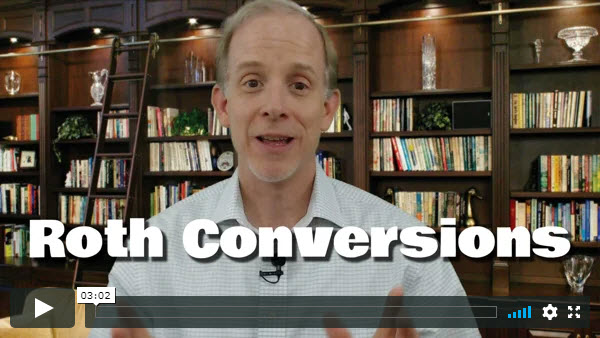
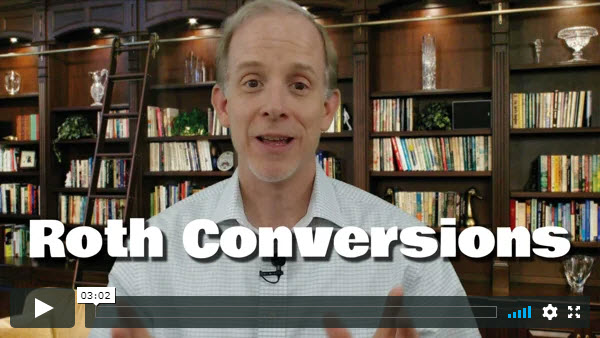
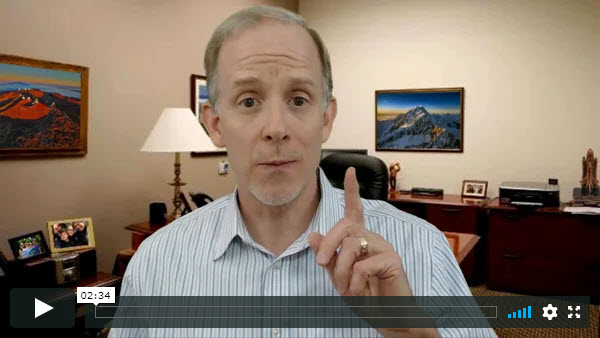
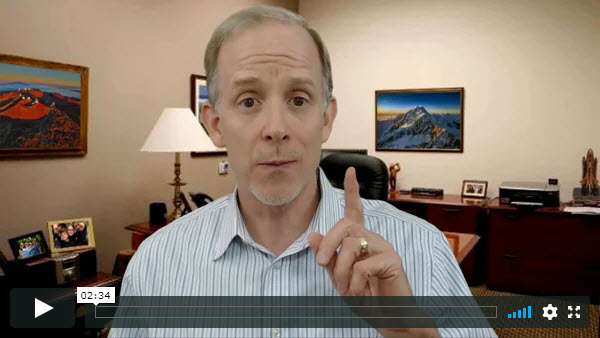
Dr. Chris Mullis, NorthStar’s Founding Partner, did an on-air interview with WCCB TV news anchor Drew Bollea discussing how people should think about their investments in the midst of a global panic induced by the coronavirus. (click image to watch video)
Ironically, this interview was recorded on March 9, 2020 — exactly 11 years to the day since the crescendo of global panic that marked the bottom of the 2007-09 bear market.
Here’s the memo that we sent clients and friends ahead of this interview that elaborates on the points made during the news report:
March 9, 2020
At this morning’s opening level of 2,764, the S&P 500 is down over 18% from its all-time high, recorded on February 19. Declines of that magnitude are fairly common occurrences — indeed the average annual drawdown from a peak to a trough since 1980 is close to 14%. But such a decline in barely a month is noteworthy, not for its depth but for its suddenness.
As we all know by now, the precipitants of this decline have been (a) the outbreak of a new strain of virus, the extent of which can’t be predicted, (b) the economic impact of that outbreak, which is equally unknown, and (c) most recently, the onset of a price war in oil. (That last one is surely a problem for everyone involved in the production of oil, but it’s a boon to those of us who consume it.)
The common thread here is unknowability: we simply don’t know where, when or how these phenomena will play out. And in my experience, the thing in this world that markets hate and fear the most is uncertainty. We have no control over the uncertainty; we can and should have perfect control over how we respond to it.
Or, ideally, how we don’t respond. Because the last thing in the world that long-term, goal-focused investors like us do when the whole world is selling is — you guessed it again — sell. Indeed, I welcome your inquiries around the issue of putting cash to work along in here.
On March 3, the erudite billionaire investor Howard Marks wrote, “It would be a lot to accept that the US business world — and the cash flows it will produce in the future — are worth 13% less today than they were on February 19.” How much more true this observation must be a week later, when they’re down 18%.
Be of good cheer. This too shall pass.
Growing your wealth is a combination of making money and saving money. Today we’re focused on the latter half of that equation. Current trends in the debt market could save thousands of dollars per year for mortgage borrowers.
Mortgage rates fell to their lowest level on record today, pulled down by fears that the spread of the coronavirus could weigh on the U.S. economy.

The average rate on a 30-year fixed-rate mortgage fell to 3.29% from 3.45% last week (see chart). This is its lowest level in its nearly 50-year history. The 15-year fixed-rate mortgage dropped to 2.79% from 2.95% the prior week.
Mortgage rates are closely linked to yields on the 10-year Treasury, which this week dropped below 1% for the first time following an emergency Federal Reserve rate cut on Tuesday. Expectations are that the 30-year fixed rate could even drop below 3% in the next few weeks.
These historically low interest rates represent a special opportunity to potentially save thousands of dollars per year by refinancing your mortgage.
Whether it makes sense to refinance depends on a host of factors.
We want to help you do the math and decide if you should refinance. We invite you to share the key parameters of your mortgage loan confidentially and securely using this link:
We will dig into your data and make a detailed evaluation. We will come back and advise you on how much you could save now, or what’s your future trigger point for capturing significant savings as rates continue to evolve.
We’re strong believers in the abundance cycle. Please share this offer to family & friends and share the wealth!

(Holiday decorations & countdown courtesy of a very excited 11-year-old named Benjamin Mullis)
Let’s face it. Buying meaningful gifts for our family and friends is really, really hard. If you want to give something that has a larger impact long after the holiday season has passed, why not give the gift of financial education and wisdom for living a fulfilled life?
Given the academic background of our firm, I know the following is going to be a big shocker. Here at NorthStar, we love reading books and we love giving books as gifts! Below you’ll find the NorthStar Guide to Gifts That Pay Off. It’s full of our favorite book and money-related gift recommendations for those ages 4 to 94!
So what’s the most valuable holiday gift of 2019? A fun lesson in financial literacy and living your best life!
Happy shopping,
NorthStar Capital Adivsors
|

The end of the year provides a number of financial planning opportunities and issues. These include tax planning issues, issues surrounding investment and retirement accounts, charitable giving, cash flow & savings, and insurance & estate planning issues.
We use the checklist below to proactively scan for many actionables to help serve our clients. In this checklist, we cover a number of planning issues that you need to consider prior to year-end to ensure you stay on track, including:
This is a comprehensive checklist of the types of year-end planning issues that you should be discussing with your financial advisor to ensure you maximize cash flow and tax opportunities in the current year and beyond.
|